Since January 1, 2026, a California law known as SB 410 has required sellers of condominium units to include the homeowners association's most recent balcony-inspection report in the resale disclosures given to buyers before close. For anyone buying an attached home in Irvine, that report is now one of the first documents to read, because its first page summarizes whether the building's exterior elevated elements have been properly inspected and what repairs were found.
The report sits inside a larger HOA file that California's Davis-Stirling Act already requires associations to build and partly disclose: the reserve study, the annual reserve funding summary, the budget, the governing documents, and the minutes of recent board meetings. For an attached-home buyer, that file matters more than the paint and the floors, because it describes the conditions of the building the unit depends on.
This guide explains what the new disclosure covers, what the underlying inspection law (SB 326) requires of associations, how to read a reserve study, where special assessments come from, and how the master-policy insurance changes that took effect July 1, 2026 affect the financing picture. It is buyer education, not legal or financial advice, and every figure below is attributed to a named source.
The one-line summary
Since January 2026, California condo sellers must provide the HOA's most recent SB 326 inspection report as part of the resale package, alongside the reserve study and budget. Buyers should read all of them before an offer, check for identified repairs and planned special assessments, and confirm that the association's master insurance meets the lender limits that took effect July 1, 2026.
What changed in 2026: the inspection report now arrives with the disclosures
Before SB 410, a buyer could ask for the association's inspection report, but the seller was not required to hand it over as part of the standard resale package. Starting January 1, 2026, that changed. Under Civil Code section 4525(a)(11), the resale disclosure package the seller provides must now include the homeowners association's most recent inspection report issued under Civil Code section 5551, the law commonly called SB 326.
The law is specific about what buyers should be able to see on the first page of that report: the date of the inspection, the number of units in the association, the number of units with exterior elevated elements, the total number of exterior elevated elements, and the number of elements actually inspected.
Two practical points follow. First, the report is now part of the file, but reading it is still on the buyer: a report that identifies deferred repairs deserves the same attention as a title issue. Second, associations must keep reports in their records for 18 years, covering two inspection cycles, so the current report should always be available.
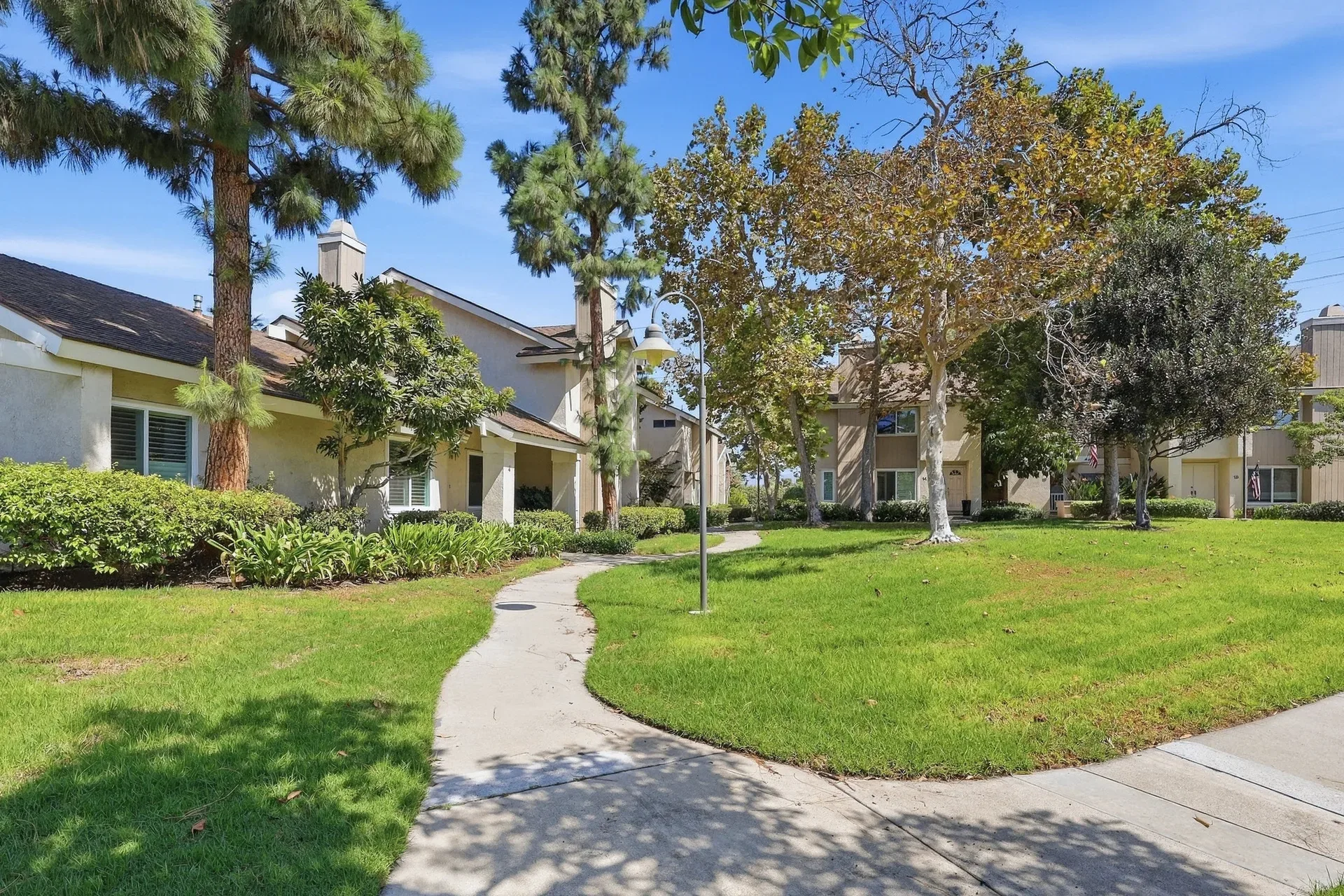
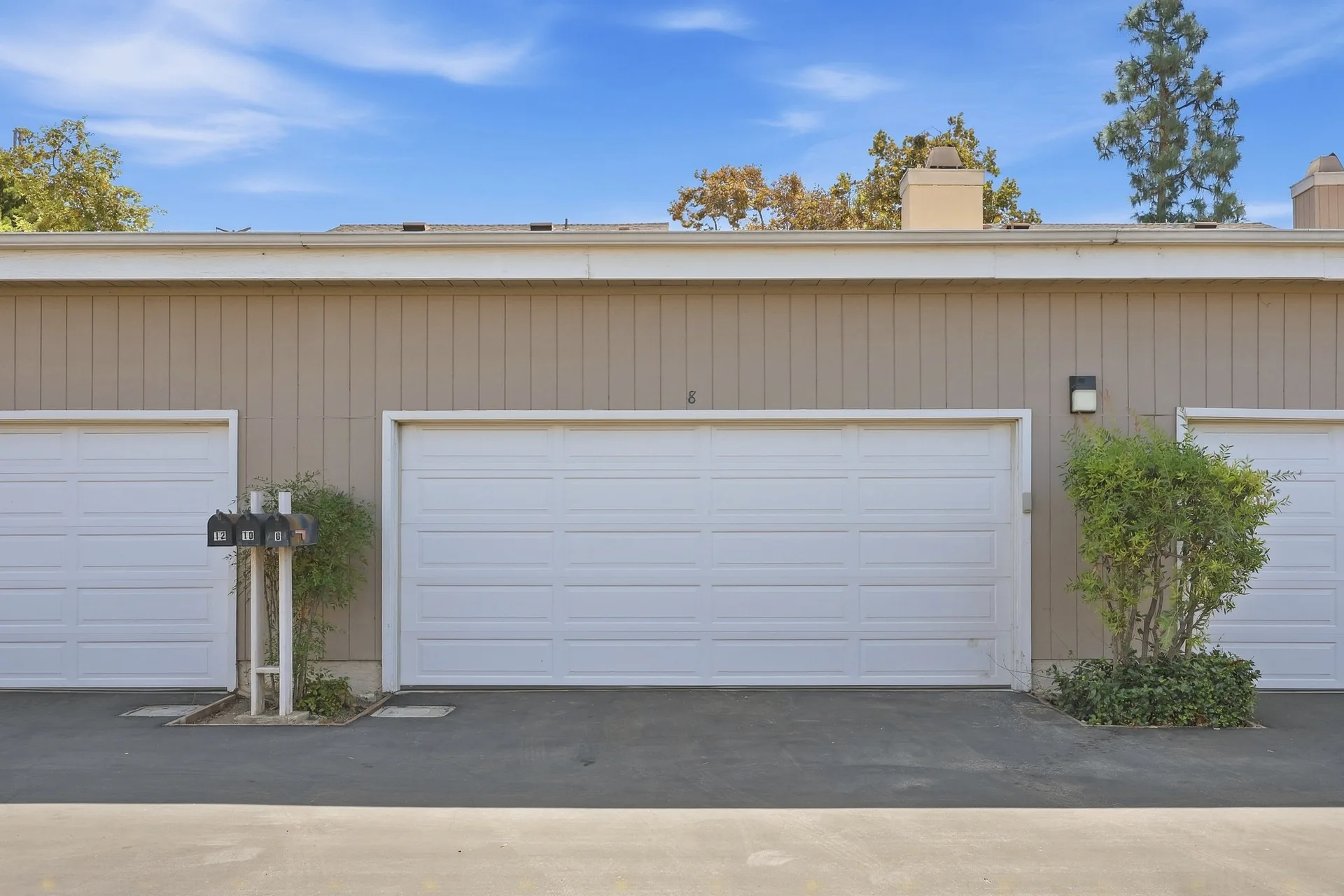
For a property like 8 Silverwood, an attached two-level home in Woodbridge, a village built largely in the 1970s and 1980s, this is not a hypothetical. Attached buildings of that era commonly include the kind of wood-framed horizontal elements that SB 326 is designed to catch, which is why the inspection report belongs near the top of the review list for any attached-home purchase in Irvine. Only the association's own report can confirm what applies to this specific building, and that is exactly the point of asking for it.
What SB 326 actually requires of associations
SB 326 applies to common-interest associations with three or more units, which covers most condominium and townhome communities in Irvine. It does not apply to non-condominium planned developments, where individual homeowners own their structures outright.
The law targets exterior elevated elements: balconies, decks, elevated walkways, stairways, and entry structures that extend beyond the building, sit more than six feet above grade, and are substantially supported by wood. The association must arrange for a reasonably competent and diligent inspection of those elements by a licensed architect, a licensed civil or structural engineer, or, per the later AB 2114 change, a qualified contractor or certified building inspector.
The inspection uses a statistically significant sample, defined in the implementing regulations as a 95% confidence level with a 5% margin of error, rather than a check of every single element. Results must be presented at an open board meeting, with a summary distributed to owners within 15 days, and non-emergency repairs are scheduled on a reasonable timeline set by the board.
The timeline matters. The first SB 326 inspection was due by January 1, 2025, and that deadline was not extended: the extension law (AB 2579) postponed only the parallel apartment-building rule under SB 721. Inspections then recur every nine years, timed to align with every third reserve study. What this means for a buyer in late 2026 is that every compliant association should have at least one completed inspection on file already.
There are consequences for non-compliance. Local jurisdictions can impose daily fines, commonly in the $100 to $500 per day range according to tracking sources, and an association that skipped its inspection can face repair liabilities and complications with its insurance and financing. That is why the presence of a current report in the resale package is itself a signal worth reading.
How reserve studies work, and when they are mandatory
The inspection report describes the condition of the building today. The reserve study is the document that describes how the association plans to pay for tomorrow's repairs. Both are required under the Davis-Stirling Act, and both belong in the HOA file a buyer reviews.
A reserve study becomes mandatory when the current replacement value of the major components the association must maintain equals at least half of the association's gross annual budget, excluding reserves. In practice, most Irvine condominium and townhome associations cross that threshold, because shared roofs, exteriors, common areas, pools, and village infrastructure are expensive to replace. Since the SB 900 changes of 2025, association-maintained gas, water, and electrical service lines also count as major components, so the scope of what must be planned for has grown.
California law requires the study itself to have five minimum elements: identification of the major components with a remaining useful life under 30 years, estimates of each component's remaining useful life, the deferred maintenance and replacement cost of each, the current condition of each, and the reserve account balance and the funding plan relative to those obligations.
The process has a rhythm: the board must conduct a reasonably competent and diligent visual inspection of accessible major components at least every three years, review the study at least once a year, and send owners an annual Reserve Funding Disclosure Summary under Civil Code section 5570. Notably, the law does not mandate a minimum funding percentage. It requires planning and transparency, not a specific funded ratio, which is why two similar buildings can look very different on paper.
Reading the reserve numbers and the special-assessment question
The two terms that matter most on a reserve page are the funded balance and the funding plan. The funded balance is what the association has saved; the funding plan is how it intends to reach the needed level over time. A young association with a healthy plan can be in better shape than an older one with a large balance and chronic underfunding.
The question to ask out loud is about special assessments. Under Civil Code section 5605, an association can levy a special assessment of up to 5% of its budgeted gross expenses without a member vote; above that threshold, member approval is required, with separate rules for emergency assessments. For a buyer, the practical consequence is this: a special assessment does not need a ballot to exist, so the only way to see one coming is to read the minutes, the budget, and the reserve study and ask directly.
A pending assessment changes the real monthly cost of ownership, so it deserves the same line-item treatment as the mortgage and the property tax. No public registry lists which Irvine associations are planning assessments; the association's own documents are the only reliable source, which is why the resale package and the minutes are the right place to look.
The insurance layer: master policies, HO-6, and the 2026 limits
Insurance is the third leg of the HOA file, and it has been the most volatile one in California. The association carries a master policy covering the buildings and common areas; the unit owner carries an HO-6 policy covering the interior of the unit, personal property, personal liability, and loss assessment. Premiums on association master policies have risen sharply in the state's hard market, according to insurance-industry roundups, and some associations have been declined by multiple carriers before finding coverage in surplus-lines markets.
Boards respond to that pressure in ways buyers can see in the documents: higher deductibles, narrower coverage, or special assessments to fund the jump in premiums. High master-policy deductibles matter to an individual owner because a repair below the deductible can come back as a loss-assessment charge shared across the community, which is exactly what HO-6 loss-assessment coverage exists to address.
The financing side changed in 2026 as well. Fannie Mae Lender Letter LL-2026-03 and Freddie Mac Guide Bulletin 2026-C, both issued March 18, 2026, tightened master-policy deductible requirements for loan applications dated on or after July 1, 2026: if the master policy includes a per-unit deductible, it may not exceed $50,000 per unit, and the per-occurrence deductible may not exceed 5% of the master policy coverage amount. When the master policy carries a per-unit deductible or does not cover the unit interior, the borrower must obtain an individual HO-6 policy that the underwriter must verify.
For a buyer, the practical ask is simple: request the master policy declaration page, confirm who covers what between the master policy and the unit owner's HO-6, and flag high deductibles to the lender early. The condo financing explainer in this journal covers the lender-side review of association insurance, reserves, and litigation in more depth.
A buyer's checklist for the HOA file
None of this requires becoming an HOA-law specialist. It requires knowing which documents exist and reading them before an offer. In rough order:
- Request the full resale disclosure package and confirm it includes the association's most recent SB 326 inspection report, which sellers must provide under the law that took effect January 1, 2026.
- Read the report's first-page summary: the inspection date, the number of units, the units with exterior elevated elements, the total elements, and how many were inspected. Then note any identified repairs and whether they are marked as needing urgency.
- Review the current reserve study and the latest Reserve Funding Disclosure Summary. Write down the funded balance, the percent funded, and the funding plan, and compare them to the age of the building.
- Ask for the last 12 months of board minutes and any notices of planned or already approved special assessments. A special assessment under 5% of budgeted gross expenses does not need a member vote, so minutes are where plans show up first.
- Read the current budget and confirm the monthly fee picture, including any scheduled fee increase for the coming year. The property tax guide in this journal walks through how association fees sit beside the tax bill in the full monthly picture.
- Ask for the master policy declaration page, confirm the deductibles against the July 1, 2026 Fannie Mae and Freddie Mac limits, and clarify the split between the master policy and the unit owner's HO-6 coverage.
- If you plan FHA or VA financing, ask whether the project is approved under those programs, since their condominium rules differ from conventional financing.
- Verify parcel-level tax and fee facts against the county property tax bill and the resale documents rather than assuming them from a neighboring building.
- Run the full monthly picture at current numbers. The Financing Perspectives area on the Market Intelligence page models purchase scenarios side by side.
- Have your lender or agent review the HOA file before you write the offer, not after. Project questions are easier to answer early in the process than close to the contingency deadline.
The companion pieces in this journal complete the picture. The October market data shows where attached-home prices and the 30-year rate stand, and the condo financing guide covers the association, reserves, insurance, and litigation questions a lender may raise. Laws and insurance rules change through legislation and elections, so treat anything here as a point-in-time summary and confirm the current statute and the specific association's documents at the moment of your offer.
Sources and data notes
The statutory mechanics in this article are summarized from legal guides and agency publications named below, each with an as-of date. The primary sources are:
- Governing Docs, "Cal. SB 326 Balcony Law: What Condo Buyers Must Know," accessed October 22, 2026. governingdocs.dev
- Iger Wankel, "SB 410 Expands HOA Disclosure Obligations for SB 326 Inspection Reports," accessed October 22, 2026. igerwankel.com
- Rimkus, "California Balcony Inspection Law: SB 721 & SB 326 Guide 2026," accessed October 22, 2026. rimkus.com
- PropFusion, "California Reserve Study Requirements: Davis-Stirling 2026," accessed October 22, 2026. propfusion.com
- HOAMCO, "California: Key HOA Law Changes Effective in 2026," accessed October 22, 2026. hoamco.com
- Fannie Mae, Lender Letter LL-2026-03, master property insurance requirements for project developments, issued March 18, 2026. singlefamily.fanniemae.com
- Fannie Mae Selling Guide, "Master Property Insurance Requirements for Project Developments," B7-3-03, accessed October 22, 2026. selling-guide.fanniemae.com
- Freddie Mac, Single-Family Seller/Servicer Guide Bulletin 2026-C, issued March 18, 2026. guide.freddiemac.com
- Latent Insure, "HOA Insurance California: Master Policy, D&O, Wildfire," California market context, accessed October 22, 2026. latentinsure.com
- Latent Insure, "Condo HO-6 Insurance California: Unit-Owner Coverage in an HOA," loss-assessment background, accessed October 22, 2026. latentinsure.com
Data notes: statutory details (SB 326 inspection elements and deadlines, reserve-study requirements, special-assessment thresholds, disclosure requirements) and the July 2026 lender deductible limits summarize what the cited sources and agency publications set out and are point-in-time; legislation and insurance rules change. The daily fine range and the description of the California master-policy market reflect what the cited tracking and industry sources publish, not a statement about any specific association. Whether any particular building, including the one that contains 8 Silverwood, has regulated exterior elevated elements or is in compliance must be confirmed from that building's own inspection report and association records. Bedroom, bathroom, and square footage figures for 8 Silverwood are from public listing data for MLS NP26199481 and should be independently verified. This article is education, not legal, insurance, tax, or financial advice.
Explore More of 8 Silverwood
Continue into Market Intelligence, the Neighborhood guide, Property Resources, or the photo gallery for additional property information, buyer resources, and local context.